

Benefits of THCA Flower for Anxiety: A 2026 Guide
Table of Contents
- What Is THCA Flower and How Does It Work?
- How to Dose THCA Flower for Anxiety Relief
- Best THCA Strains for Relaxation and Stress Reduction
- THCA Flower Lab Testing Standards: What to Look For
- Drug Testing and THCA: What You Need to Know
- Long-Term vs. Acute Anxiety Relief with THCA
- Frequently Asked Questions
Last Updated: September 27, 2026
What Is THCA Flower and How Does It Work?
THCA flower is raw, unheated cannabis flower rich in tetrahydrocannabinolic acid, the non-psychoactive precursor to THC. Unlike decarboxylated products, THCA flower delivers cannabinoids and terpenes without the intoxicating effects that come from heating. That distinction matters for anyone exploring the benefits of THCA flower for anxiety.
THCA binds weakly to CB1 receptors in the endocannabinoid system, the network that regulates mood, stress response, and homeostasis. Because it does not produce a strong psychoactive effect, many users report a calmer, more functional experience than they get from heated THC.
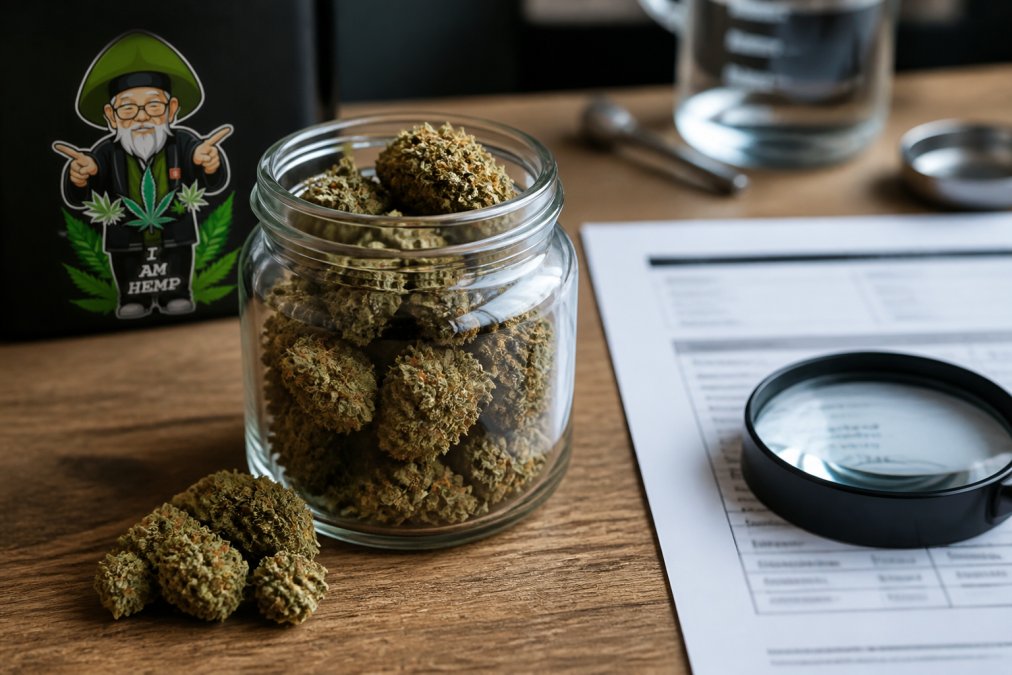
THCA vs. Delta-9 THC: The Key Differences
The core difference is heat. THCA converts to delta-9 THC through decarboxylation, a chemical reaction triggered by temperature. Smoke or vaporize the flower and you get THC. Eat it raw and you get THCA.
That single variable changes everything about the experience:
- THCA: No significant psychoactive effect, potential anti-inflammatory and neuroprotective properties
- Delta-9 THC: Intoxicating, binds directly to CB1 receptors, stronger anxiolytic effect at low doses but can trigger anxiety at high doses
- Bioavailability: Raw consumption has lower absorption; vaporization increases it dramatically
Most users chasing anxiety relief want the middle ground: enough cannabinoid activity to calm the nervous system without the cognitive fog or racing thoughts that high-THC products can cause.
How to Dose THCA Flower for Anxiety Relief
Start low and titrate slowly. That is the entire game with THCA flower, and it is where most people get it wrong.
A common mistake is treating raw flower like a standard edible. The onset is different, the ceiling is different, and the effects build more subtly. Here is a practical starting framework:
| Experience Level | Starting Amount | Method | Frequency |
|---|---|---|---|
| New to THCA | 1-2 small pulls | Vaporized | Once daily |
| Moderate tolerance | 3-4 pulls | Vaporized | 1-2 times daily |
| Experienced | 0.25-0.5g | Vaporized or raw | As needed |
Wait 15-20 minutes between pulls before adding more. The anti-inflammatory and anxiolytic effects tend to arrive gradually, and overshooting produces the opposite of relaxation.
Best THCA Strains for Relaxation and Stress Reduction
Strain selection for anxiety is really terpene selection. THCA and THC percentages matter less than the terpene profile driving the entourage effect, because terpenes modulate how the cannabinoids land on your nervous system. Two flowers with identical THCA content can produce completely different anxiety outcomes depending on which terpenes dominate.
The problem with most strain guides is that they treat "anxiety" as one thing.
Terpene Profiles by Anxiety Type
| Anxiety Presentation | Dominant Terpene Target | Supporting Terpenes | Typical Ratio |
|---|---|---|---|
| Social anxiety / anticipatory worry | Limonene | Pinene, Caryophyllene | Limonene-dominant, low myrcene |
| Generalized daily tension | Linalool | Myrcene, Caryophyllene | Balanced linalool-myrcene |
| Panic-prone reactivity | Myrcene | Linalool, Caryophyllene | Myrcene-dominant, high total terpenes |
| Evening rumination / insomnia-adjacent | Myrcene + Linalool | Caryophyllene, Humulene | Heavy myrcene, moderate linalool |
| Daytime functional calm | Pinene + Limonene | Caryophyllene | Pinene-forward, low myrcene |
Limonene is the underused option for social anxiety. It is uplifting without being stimulating at moderate doses, and users who find myrcene-heavy flower too sedating for daytime often do better with a limonene-forward cultivar. The catch: at high doses limonene can tip into jitteriness, so keep sessions short.
Reading a COA for Terpene Selection
Ask for the Certificate of Analysis, then read the terpene panel before the cannabinoid panel. A strain with moderate THCA and a heavy myrcene-linalool profile will outperform a high-THCA strain with a thin terpene profile for anxiety every time. Look for total terpene content above 1.5% for flower that actually delivers a differentiated effect; below 1%, you are mostly getting THCA and not much else.
A Practical Selection Protocol
- Identify your dominant anxiety presentation using the table above.
- Pick two candidate terpene profiles, one primary, one backup.
- Buy the smallest available quantity of each.
- Run a two-week trial per profile, logging dose, timing, and effect.
- Keep the winner, rotate in a third profile every fourth week to slow receptor adaptation.
This is slower than grabbing whatever strain has the highest THCA number. It is also the only approach that reliably produces consistent anxiety relief instead of a coin flip.
1 Gram | 1:1 THC:CBD Distillate →
THCA Flower Lab Testing Standards: What to Look For
A legitimate Certificate of Analysis should confirm cannabinoid potency, terpene content, and contaminant screening. Anything less is a red flag.
When reviewing a COA, verify that it covers:
- Cannabinoid profile: THCA, THC, CBD, CBG percentages
- Terpene analysis: Full panel, not just total terpenes
- Pesticides and heavy metals: Tested against state-regulated limits
- Microbials and mold: Especially important for raw consumption
- Residual solvents: Relevant for concentrates, less so for flower
Drug Testing and THCA: What You Need to Know
THCA flower can trigger a positive drug test. This is the angle most guides skip, and it is the one that matters most for anyone with employment or legal exposure.
Long-Term vs. Acute Anxiety Relief with THCA
Acute relief and long-term management are different clinical questions, and conflating them is why so many users end up disappointed. The dose, timing, strain, and delivery method that work for a panic spike are almost the opposite of what supports a steadier baseline.
Acute Relief: The Rescue Model
For an in-the-moment anxiety spike, a low dose of vaporized THCA flower can take the edge off within 5 to 15 minutes. The effect is short-lived, typically one to three hours, and works best as a rescue tool rather than a daily driver.
Key characteristics of acute use:
- Onset: 5-15 minutes vaporized, 30-90 minutes if eaten raw
- Duration: 1-3 hours
- Dose: 1-2 small pulls for most users
- Strain logic: Myrcene-dominant for physical panic symptoms, limonene-forward for social or anticipatory anxiety
- Risk: Overshooting converts a rescue into a trigger, high doses of any cannabinoid can amplify anxiety rather than calm it
Long-Term Management: The Baseline Model
The endocannabinoid system responds to consistent, low-level stimulation differently than to occasional higher doses. This is the core mechanism behind microdosing, and it is where most guides get vague.
A reasonable long-term protocol looks like this:
- Track dose, strain, terpene profile, and time of day for two weeks before adjusting anything
- Note anxiety levels on a 1-10 scale before and after each session
- Take one full day off per week to slow tolerance
- Take one full week off every eight to twelve weeks to reset receptor sensitivity
- Rotate terpene profiles every four weeks to avoid adaptation to a single profile
- Reassess monthly with a clinician if anxiety is clinically significant
The Trade-Offs Nobody Names
If you want a lower-intensity entry point for either model, I AM HEMP's 1:1 THCa/CBDa Live Resin Disposable pairs THCA with CBDa to smooth the edge, and the 1:1 THC:CBD Distillate Cartridge offers a similarly balanced profile for daytime use. Every batch ships with a COA, and orders arrive in discreet packaging.


Frequently Asked Questions
What does a THCA high feel like compared to regular THC?
THCA flower produces effects similar to Delta-9 THC when heated, but many users report a smoother, more clear-headed experience. The psychoactive effects come from THCA converting to THC during combustion or vaporization. For anxiety, this can mean relaxation without the intense rush or paranoia some people get from high-THC products. The onset is gradual, and the intensity depends on the strain, dose, and your tolerance.
Are there specific THCA strains better for anxiety?
Yes. Indica-dominant and hybrid strains with high myrcene, linalool, and caryophyllene content tend to work best for anxiety. Look for strain names that mention relaxation or calm. Terpene profile matters as much as THC percentage. A strain with 15-20% THCA and a rich terpene profile often provides better anxiety relief than a 30% strain with poor terpenes. Start with lower-potency flower and adjust based on how you feel.
Is THCA legal under the 2018 Farm Bill?
THCA derived from hemp containing less than 0.3% Delta-9 THC by dry weight is federally legal under the 2018 Farm Bill. However, state laws vary, and some states have restricted or banned THCA products. Always check your state regulations before ordering. When heated, THCA converts to THC, so consuming it produces psychoactive effects. I AM HEMP provides lab-tested products with COAs to verify compliance.
How does THCA interact with the endocannabinoid system?
THCA binds weakly to CB1 and CB2 receptors in their raw form. After decarboxylation (heating), it becomes THC, which binds directly to CB1 receptors and produces psychoactive effects. The endocannabinoid system regulates mood, stress response, and homeostasis. For anxiety, THC activation of CB1 receptors can reduce stress signals, but too much can increase anxiety. CBD and terpenes in full-spectrum flower modulate this effect through the entourage effect.
