

Best Indoor Grown THCa Flower Strains for Relaxation
Table of Contents
- Why Indoor Grown THCa Flower Delivers Better Relaxation
- Quick Comparison: Top Indoor THCa Strains for Relaxation
- 1. Gumbo: Indica-Dominant Candy Relaxation at 35.08%
- 2. Zookies: Balanced Cookies and Glue Calm at 25.02%
- 3. Hood Candy: Exotic Hybrid Chill at 27.04%
- 4. Donut Shop: Dessert Hybrid for Evening Wind-Down at 26.78%
- THCa Flower Benefits for Anxiety and Full-Body Relaxation
- How to Choose High Quality THCa Flower
- Frequently Asked Questions
Last Updated: September 25, 2026
Why Indoor Grown THCa Flower Delivers Better Relaxation
Indoor grown THCa flower gives you tighter control over the variables that shape a calm, body-heavy experience: light, humidity, cure time, and harvest timing. When a cultivator manages all four, the plant finishes with a fuller terpene profile and a cleaner smoke than sun-grown flower typically delivers.
Quick Comparison: Top Indoor THCa Strains for Relaxation
Here is how the top indoor THCa strains for relaxation compare on potency, type, and price.
| Strain | Type | THCa % | Price | Best For |
|---|---|---|---|---|
| Gumbo | Indica-dominant | 35.08% | $40.00 | Deep evening relaxation |
| Zookies | Balanced hybrid | 25.02% | $40.00 | Day-to-evening calm |
| Hood Candy | Exotic hybrid | 27.04% | $50.00 | Flavor-forward chilling |
| Donut Shop | Exotic hybrid | 26.78% | $40.00 | Wind-down after dinner |
1. Gumbo: Indica-Dominant Candy Relaxation at 35.08%
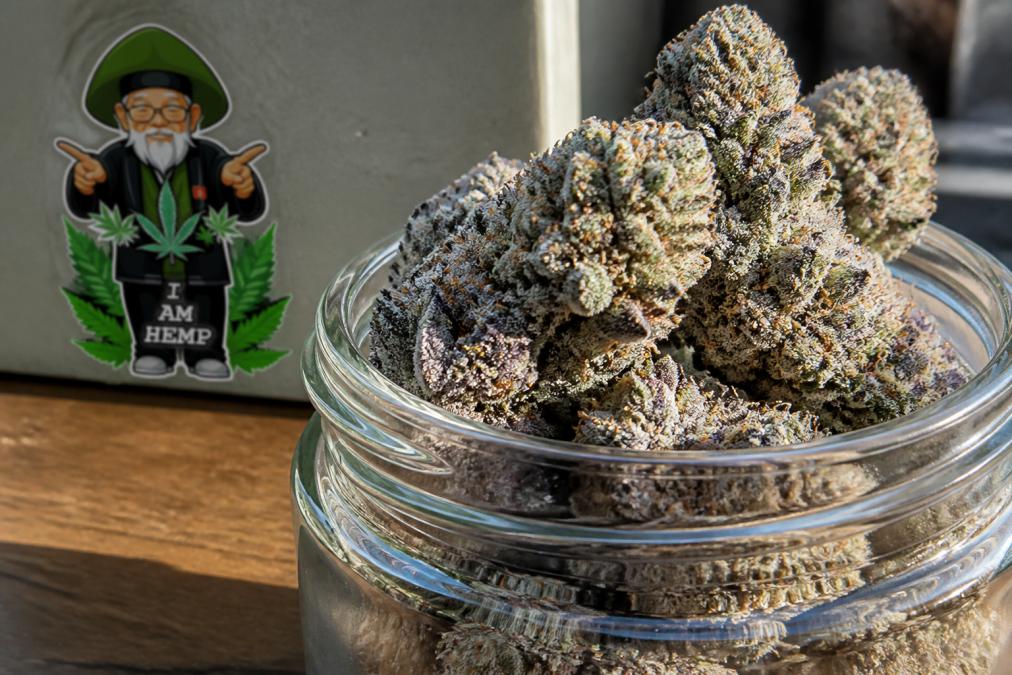
Gumbo is the heaviest hitter on this list and the one I would hand to anyone chasing full-body relaxation. This AAA indoor batch tests at 35.08% THCa and comes in small and medium buds, which means you get the same flower without paying a premium for showcase nugs.

2. Zookies: Balanced Cookies and Glue Calm at 25.02%
Zookies sits in the middle of the spectrum and that is exactly the point. This balanced hybrid crosses Animal Cookies with Gorilla Glue #4, landing at 25.02% THCa for $40.00.
3. Hood Candy: Exotic Hybrid Chill at 27.04%
Hood Candy is the flavor pick, and I will say that plainly. Bred from Runtz and Why U Gelly, it opens with sweet grape and berry candy, then shifts into creamy gas, earthy funk, and a peppery diesel bite.

4. Donut Shop: Dessert Hybrid for Evening Wind-Down at 26.78%
Donut Shop is the one to reach for after dinner. Bred by Fig Farms, this hybrid crosses Gelato 41 with Holy Moly! and tests at 26.78% THCa for $40.00.

THCa Flower Benefits for Anxiety and Full-Body Relaxation
THCa flower benefits for anxiety come down to three interlocking things: the entourage effect, terpene-specific mechanisms, and dose control. Most strain lists stop at "this one is calming" and never explain why. Here is the mechanism behind the calm.
The entourage effect, explained without the hand-waving
The entourage effect is the working theory that cannabinoids, terpenes, and minor compounds modulate each other's activity rather than acting in isolation. Whole flower preserves that full spectrum. Isolates and distillates strip it out. When you heat THCa flower, the acid form converts to THC through decarboxylation, and that newly formed THC arrives alongside the intact terpene load, which is the part that shapes whether the experience lands as sedating, grounding, or clear-headed.
Terpene-specific relaxation mechanisms
Terpenes are not just smell. They are volatile aromatic compounds that appear to interact with the same endocannabinoid and neurotransmitter systems that cannabinoids do. The three that matter most for relaxation:
- Myrcene, the sedative-leaning terpene also found in hops and lemongrass. It is the compound most associated with the heavy, body-forward "couch-lock" quality people describe in indica-dominant flower. A common pattern is that cultivars testing high in myrcene feel more physically relaxing than their THC percentage alone would predict.
- Linalool, the primary aromatic in lavender. Linalool is studied for calming and anxiolytic-adjacent properties, and it is one reason floral, lavender-tinged cultivars often feel gentler than their potency suggests. If you are anxiety-prone, linalool-forward flower is usually a safer starting point than a high-myrcene hammer.
- Caryophyllene, the peppery terpene in black pepper, cloves, and cinnamon. Caryophyllene is unusual because it binds directly to CB2 receptors, a cannabinoid receptor tied to immune and inflammatory signaling rather than the psychoactive CB1 pathway. That direct binding is part of why peppery, grounding strains feel different from sweet, sedating ones even at similar THC levels.
- Limonene, citrus-forward and mood-lifting. Limonene does not sedate on its own, but it can soften the edges of a heavy myrcene strain and keep the experience from tipping into fog. Balanced hybrids like Zookies typically pair limonene with caryophyllene and linalool for exactly this reason.
Why the terpene ratio matters more than the headline number
Two batches of the same strain at the same THCa percentage can feel completely different if one was cured well and the other was not. Terpenes are volatile, they evaporate at relatively low temperatures and degrade with heat, light, oxygen, and time. A batch that sat in a warehouse for eight months may still test at 27% THCa on paper while delivering a flat, hay-like experience because the terpene fraction collapsed.
Purity, testing, and what "clean" actually means
Purity matters as much as potency. Flower that passes third-party testing for pesticides, heavy metals, mold, and residual solvents is flower you can use daily without wondering what else you are inhaling. The USDA hemp production program guidance sets the framework American growers operate under, and a batch-specific Certificate of Analysis is how you verify a specific harvest met it.
Dose control for anxiety-prone users
THCa converts to THC when heated, so onset is fast, typically within a few minutes when smoked or vaped, which means you can titrate accurately instead of guessing. For anxiety-prone users, the standard advice to "start low and go slow" is not a cliché; it is the difference between a relaxing evening and a two-hour panic. A single small hit, then a fifteen-minute wait, is a more reliable calibration method than any potency chart.
THCa Flower|Gumbo|AAA Indoor Smalls and →
Do not judge a strain by its THCa percentage alone. A 35% batch with a degraded terpene profile will feel flatter than a 25% batch that was cured properly. Potency is one variable, not the whole equation.
How to Choose High Quality THCa Flower
Choosing high quality THCa flower means checking four things before you buy: the Certificate of Analysis, the harvest date, the cure, and the trim. Skip any one of them and you are guessing. But the single most useful skill, and the one almost no strain list teaches, is reading the COA itself.
How to read a Certificate of Analysis (COA)
A COA is a third-party lab report tied to a specific batch, not a specific strain. If a seller shows you a "strain COA" that is not batch-specific, treat it as marketing. Here is what to look for, in order:
- Batch or lot number. It must match the package or listing you are buying. No match, no trust.
- Cannabinoid column. Look for total THCa, delta-9 THC, CBD, CBG, and CBC. A hemp-compliant batch will show delta-9 THC at or below 0.3% on a dry-weight basis. THCa itself is not the regulated number, delta-9 is.
- Terpene column. This is the section most buyers skip. Look for total terpenes by percentage and the individual terpene breakdown. A batch with 2%+ total terpenes and a myrcene- or linalool-dominant profile is a strong relaxation candidate. A batch with under 0.5% total terpenes will feel flat regardless of THC number.
- Pesticide, heavy metal, mold, and residual solvent panels. These should be listed as "Pass" or "ND" (not detected). If the panel is missing entirely, the COA is incomplete.
- Test date and harvest date. Fresher is better. Terpenes degrade over time, and a COA older than six months tells you little about what is in the jar today.
- Lab name and accreditation. A real COA names the lab. If the lab is not identifiable, the report is not verifiable.
The pre-purchase checklist
- Certificate of Analysis (COA): Batch-specific, with cannabinoid, terpene, and contaminant panels all present.
- Harvest and test dates: Fresher flower holds terpenes better. Anything over six months old has likely lost aroma.
- Cure quality: Buds should be sticky but not wet, and should snap rather than crumble when broken.
- Trim: Sugar leaf left on the bud adds weight and harshness. Clean trim signals a cultivator who cares.
- Aroma: If it smells like hay or grass, the cure went wrong. Walk away.
- Packaging: Sealed, light-blocking containers preserve freshness in transit.
Micro-dosing THCa flower for anxiety
Most "best strain" content chases the strongest option. For anxiety-prone users, the opposite approach works better. THCa converts to THC when heated, so onset is fast and you can titrate in small increments instead of committing to a full dose.
A practical micro-dosing framework:
- Start with one small hit, roughly a quarter of what you would normally pack.
- Wait fifteen minutes. Effects from smoked or vaped flower peak within that window.
- Add one more small hit if needed, then wait again.
- Cap your session at two or three small hits until you know how the batch lands for you.
Matching strain to need, not to potency
If your goal is sleep, look for myrcene-dominant, indica-leaning flower. If your goal is daytime calm without sedation, look for linalool and limonene with moderate myrcene, balanced hybrids fit here. If your goal is grounding during a stressful afternoon, caryophyllene-forward, peppery cultivars tend to work well. The strain name matters less than the terpene ratio on the COA in front of you.
Frequently Asked Questions
What strain makes you relax the most?
Indica-dominant cultivars with high myrcene and linalool content tend to produce the most relaxation. Gumbo, an indica-dominant indoor strain at 35.08% THCa, is a strong option for full-body calm thanks to its candy and earthy terpene profile. Zookies, a balanced hybrid at 25.02%, offers relaxation without heavy sedation. The right pick depends on whether you want couch-lock calm or a lighter evening wind-down.
What are the benefits of indoor grown THCa flower?
Indoor cultivation gives growers full control over light, temperature, and humidity, which supports denser buds, richer terpene profiles, and more consistent potency. Indoor flower also faces fewer pests and weather variables, so it often arrives with better bag appeal and a cleaner burn. For relaxation-focused users, that translates to reliable effects batch after batch rather than the variability common in outdoor-grown flower.
How do I know the THCa flower I buy is lab tested?
Look for a Certificate of Analysis (COA) tied to the specific batch you are buying, not just a generic lab page. A proper COA shows cannabinoid content, terpene profile, and results for pesticides, heavy metals, and microbials. Reputable sellers let you view the COA before checkout. If a listing only shows a potency number with no batch-level report, treat that as a red flag.
Are there specific terpene profiles that enhance relaxation in THCa strains?
Yes. Myrcene, linalool, and caryophyllene are the terpenes most associated with calming and sedative effects. Myrcene appears in earthy, musky strains like Gumbo, while linalool shows up in floral and dessert cultivars. Caryophyllene, found in Zookies, interacts with CB2 receptors. Checking the terpene profile on a batch COA helps you pick a strain based on the effect you want, not just potency.
How do I ensure the THCa flower I buy is compliant with federal regulations?
Under the 2018 Farm Bill, hemp-derived products must contain no more than 0.3% delta-9 THC on a dry weight basis. THCa flower is legal when it meets that threshold, though THCa converts to delta-9 THC when heated. Buy from sellers who publish batch COAs showing delta-9 THC compliance. State laws vary, so check your local rules before ordering, and keep in mind that THCa flower is for adults 21 and older.
