

THCa Live Resin Guide: Potency, Lab Testing & Use
Table of Contents
- What Is THCa Live Resin?
- THCa Flower vs Live Resin
- How to Consume THCa Concentrates
- Lab Testing Standards for Hemp Concentrates
- Terpene Profiles and Flavor Preservation
- Side Effects, Tolerance, and Safe Use
- Legality and Compliance for THCa Live Resin
- Frequently Asked Questions
Last Updated: September 18, 2026
What Is THCa Live Resin?
THCa live resin is a full-spectrum cannabis concentrate made from freshly harvested hemp that is flash-frozen to preserve its natural cannabinoids and terpenes before extraction. Unlike products made from dried and cured plant material, THCa live resin captures the plant's chemistry at peak freshness, producing a gooey, terpene-rich concentrate that closely mirrors the living flower.

At I AM HEMP, we source THCa live resin from trusted American farms and lab-test every batch. Most concentrates lose volatile compounds during curing and drying; live resin skips that step, yielding higher terpene retention, a more complex flavor profile, and a potency that reflects the original cultivar.
This guide covers how THCa live resin is made, how it differs from THCa flower, how to consume it safely, and what to look for on a certificate of analysis (COA).
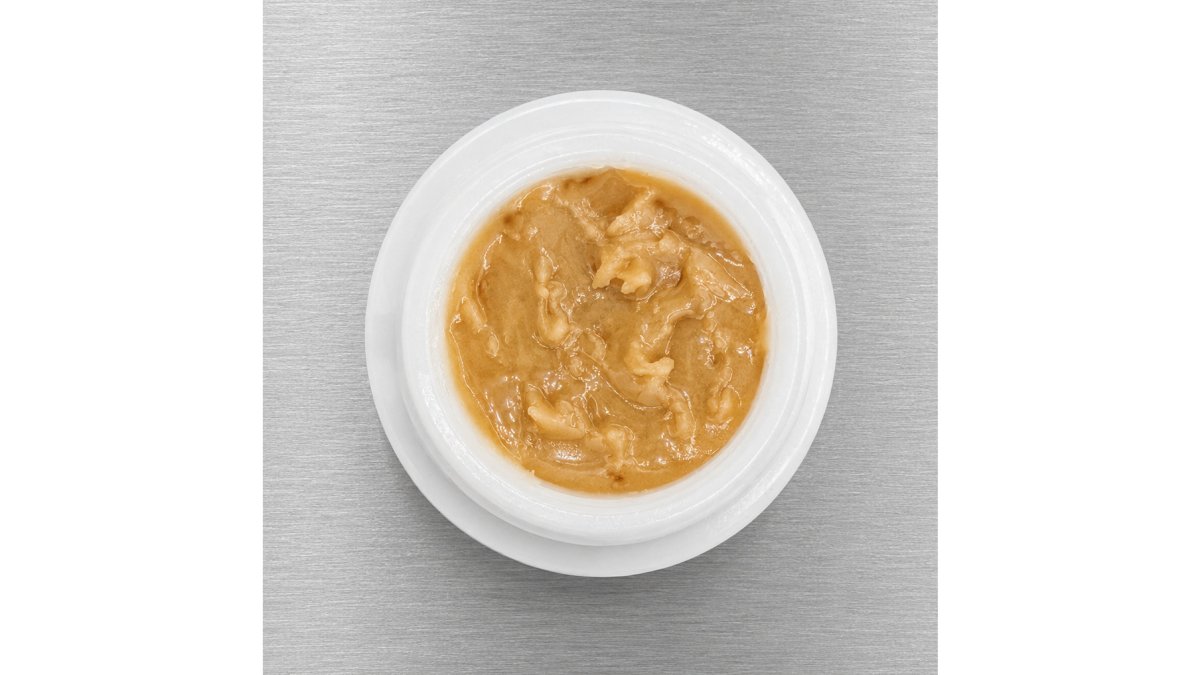
How Live Resin Is Made: Fresh Frozen Flower and Flash-Freezing
Live resin production starts in the field. Growers harvest cannabis and immediately flash-freeze the fresh flower, typically within hours of cutting, locking in volatile terpenes and cannabinoids that would otherwise evaporate during drying and curing.
After freezing, the material undergoes solvent-based extraction, usually with hydrocarbons like butane or propane. The solvent strips cannabinoids and terpenes, and the extract is purged to remove residual solvent, leaving a viscous concentrate that tastes like the plant smelled when it was alive.
A common mistake is assuming all live resin is solventless. It isn't. Solventless concentrates like rosin use heat and pressure instead, but live resin's defining feature is the flash-freezing step, not the extraction method.
THCa Flower vs Live Resin
THCa flower and live resin come from the same plant but deliver different experiences. Flower is the raw, smokable form, containing THCa that converts to Delta-9 THC when heated. Live resin is a concentrated extract that strips away plant material and isolates cannabinoids and terpenes into a potent, gooey texture.
| Feature | THCa Flower | THCa Live Resin |
|---|---|---|
| Potency | Moderate | High |
| Consumption | Smoking, vaping | Dabbing, vaping |
| Terpene retention | Good | Excellent |
| Consistency | Solid bud | Gooey, viscous |
| Best for | Smoking flower | Concentrate users |
Flower appeals to users who want a traditional smoking experience. Live resin suits anyone chasing maximum flavor and potency in a smaller dose. If you're new to concentrates, start with flower and work up.

How to Consume THCa Concentrates
THCa concentrates are consumed by dabbing, vaping, or adding to flower. Dabbing involves heating a nail or banger and inhaling the vaporized concentrate; vape cartridges offer a portable, discreet alternative. Some users layer live resin sauce on top of flower for an infused smoke.
Temperature is the most important variable.
Temperature Control and Dabbing Basics
Temperature control separates a good dab from a bad one. Use a digital thermometer or an e-nail with precise settings. Cold-start dabs, where you heat the banger with the concentrate already inside, give you more control and reduce overheating risk.
- Low temp (450-500°F): Maximum flavor, lighter effects
- Mid temp (500-550°F): Balanced flavor and potency
- High temp (550-600°F+): Stronger effects, harsher vapor
Lab Testing Standards for Hemp Concentrates
Lab testing standards for hemp concentrates require third-party analysis of potency, purity, and contaminants. Reputable producers test every batch for cannabinoids, residual solvents, heavy metals, pesticides, and microbials, publishing results in a certificate of analysis (COA) you can request before buying.
How to Actually Read a COA (Not Just Request One)
Most guides tell you to "check the COA" and stop there, useless advice if you don't know what you're looking at. Here's how to read one like a compliance officer.
- Residual solvents (butane, propane, ethanol, hexane), reported in parts per million (ppm). Live resin is solvent-extracted, so this panel is non-negotiable. Look for "Not Detected" or values well below state action limits.
- Pesticides, typically screened against a state-mandated list of dozens of compounds.
- Heavy metals (lead, arsenic, cadmium, mercury), reported in ppb or ppm.
- Microbials (total yeast and mold, E. coli, salmonella), reported in CFU/g.
- Mycotoxins (aflatoxins, ochratoxin A).
Red Flags That Signal a Fake or Adulterated COA
- Potency that's physically implausible for the product type (e.g., 95% THCa live resin badder).
- Missing pages, a real full-panel COA runs several pages. A single-page PDF showing only potency is a summary, not a report.
- No sample receipt date, legitimate labs log when the sample arrived.
- Copy-pasted formatting across different strains with only the strain name changed.
- Terpene totals that don't match the product's smell, if the COA says 6% limonene but the jar smells like hay, something is off.
Ask three questions before buying any concentrate: Which lab ran the test? What's the batch number? Can I see the full multi-page COA, not just the potency summary? A producer who answers all three without hesitation is worth buying from.
1 Gram THCa Live Resin | 94.1% →
Terpene Profiles and Flavor Preservation
Terpenes are the aromatic compounds that give each cannabis strain its distinct smell and flavor. In live resin, terpene preservation is the entire point: because the plant is flash-frozen instead of cured, volatile terpenes that would normally degrade stay intact, producing a concentrate that tastes like the living plant.
Side Effects, Tolerance, and Safe Use
THCa live resin is potent, and potency comes with side effects: dry mouth, red eyes, increased heart rate, and short-term memory disruption. High doses can trigger anxiety or paranoia, especially without tolerance. Start low and increase slowly.
Legality and Compliance for THCa Live Resin
THCa live resin occupies a legal gray area that varies by state. Understanding the federal framework, the state-level patchwork, and the shipping rules is essential before you buy.
The Federal Framework
Under the 2018 Farm Bill, hemp is defined as cannabis containing no more than 0.3% Delta-9 THC by dry weight. Hemp-derived products that stay under that threshold are federally legal. THCa itself is not a scheduled substance under the Controlled Substances Act, and it is not listed as a controlled substance in the federal drug schedules.
The State-Level Patchwork
States have taken three broad approaches to THCa products:
- Permissive, THCa is treated like any other hemp-derived cannabinoid, sold in licensed dispensaries and hemp retailers alike. No special restrictions beyond standard age-gating.
- Restrictive, Some states have moved to ban or cap THCa products specifically because of the conversion issue. These states often use total THC (Delta-9 + THCa × 0.877) rather than Delta-9 alone as the compliance threshold, which effectively eliminates most THCa flower and concentrate products from legal sale.
- Ambiguous, The law hasn't caught up. Products are sold openly, but enforcement varies by county and by agency.
Because state rules change frequently, the only reliable approach is to check your state's current hemp program rules or consult a local attorney before ordering. Compliance isn't just about legality, it's about knowing what you're buying and where it can legally be shipped.
Shipping and Interstate Commerce
Interstate shipping of THCa products sits in an unsettled area: federal legality does not automatically override state-level bans. A producer in a permissive state can legally ship to a permissive state, but shipping into a restrictive state can expose both seller and buyer to legal risk.
Reputable producers handle this by:
- Publishing a clear list of states they will and will not ship to.
- Restricting sales to adults 21 and over with age verification at checkout.
- Labeling products clearly with cannabinoid content and required warnings.
- Maintaining batch-level COAs that document Delta-9 THC content below the federal threshold.
What to Check Before You Buy
- Your state's hemp program rules, most state departments of agriculture publish current guidance.
- The product's total THC calculation, not just the Delta-9 number on the label.
- The seller's shipping policy, which states they serve and how they verify age.
- The COA, to confirm the product actually tests below the federal Delta-9 threshold.
Legality is not a one-time check, it's a moving target, and the producers worth buying from track it and tell you plainly what they will and won't do.
Frequently Asked Questions
What is THCa live resin?
THCa live resin is a full-spectrum cannabis concentrate made from fresh frozen flower that is never dried or cured. Flash-freezing locks in cannabinoids like THCa and volatile terpenes that would otherwise degrade during traditional curing. The result is a gooey, terpene-rich extract that preserves the original plant's aroma, flavor, and cannabinoid profile. I AM HEMP's 1 Gram THCa Live Resin tests at 94.1%, making it one of the most potent forms of hemp-derived concentrate available.
How is THCa live resin different from THCa flower?
THCa flower is the raw, cured plant material, while live resin is a concentrate extracted from fresh frozen flower. Live resin typically reaches 70-95% THCa potency compared to 15-30% in flower. The extraction process also concentrates terpenes, so live resin delivers a more intense flavor and faster-acting effects when vaporized. Flower is smoked or vaped in larger quantities; live resin is dabbed in small, precise doses.
Does THCa live resin get you high?
THCa itself is not psychoactive until it is heated. When you dab, vape, or combust THCa live resin, decarboxylation converts THCa into Delta-9 THC, which produces the high. The effect is fast-acting because concentrates are vaporized and absorbed through the lungs. Potency varies by product; I AM HEMP's Diamonds and Sauce separates THCa crystalline structures from terpene-rich sauce, letting users control intensity by choosing how much of each phase they load.
How should THCa live resin be stored to maintain quality?
Store THCa live resin in an airtight glass jar away from light, heat, and oxygen. A cool, dark place at room temperature works for short-term storage, but refrigeration slows terpene degradation for longer holds. Always let the jar reach room temperature before opening to prevent condensation. Avoid plastic containers, which can leach compounds and allow terpenes to escape. Properly stored live resin keeps its flavor and potency for several months.
